- Watch a documentary on Santal culture in Jharkhand >>
- Watch a documentary on Santal marriage customs in Jharkhand >>
The original inhabitants of South Asia are known as Adivasi. Their lifestyle is generally marked by a profound respect for nature. It is this sense of harmony that sustained the life of countless tribal communities for thousands of years. Today’s changes include carbon dioxide pollution caused by coal mines, deforestation and the impact of climate change. These factors threaten the social fabric of many Adivasi communities including the Santal. They constitute one of the largest communities whose settlements are spread across North-East India, Bangla Desh, Nepal and Bhutan. Their mother tongue is known as Santali.
Background information by documentary filmmaker Sigrun Schnarrenberger >>
How much does biodiversity matter to climate change? The ecosystems of the land and ocean absorb around half our our planet warming emissions. But these are being destroyed by human activity. At the same time, climate change is a primary driver of the destruction of these habitats and biodiversity loss. If biodiversity is our strongest natural defence against climate change (as it’s been described), what’s stopping us from doing more to protect it? | For up-to-date reports listen to The Climate Question (BBC) | United Nations on climate change >>
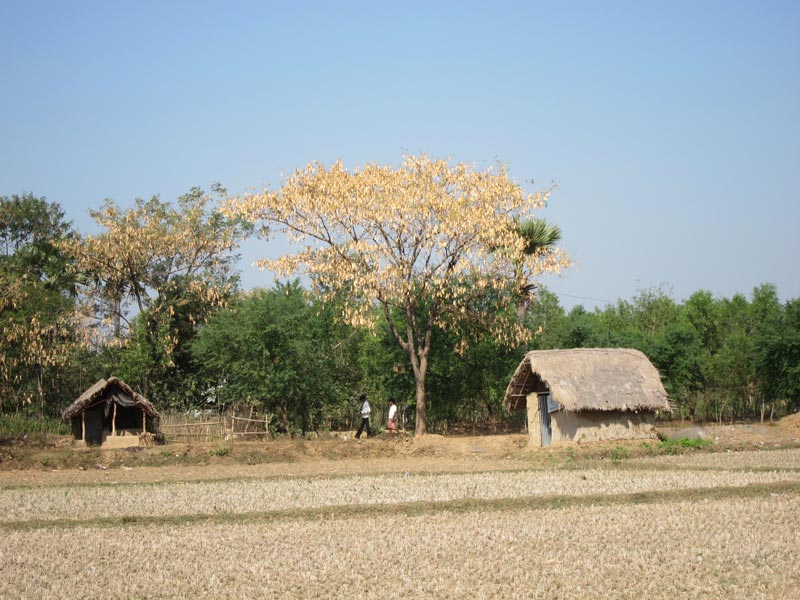
Photo © Ludwig Pesch
Learn more about a wide range of issues
including Education and literacy, Health and nutrition & Ethnobotany >>
UNESCO World Heritage Centre | Backup: PDF-Repository >>
Learn more about the status and spread of Santali in different regions of India: