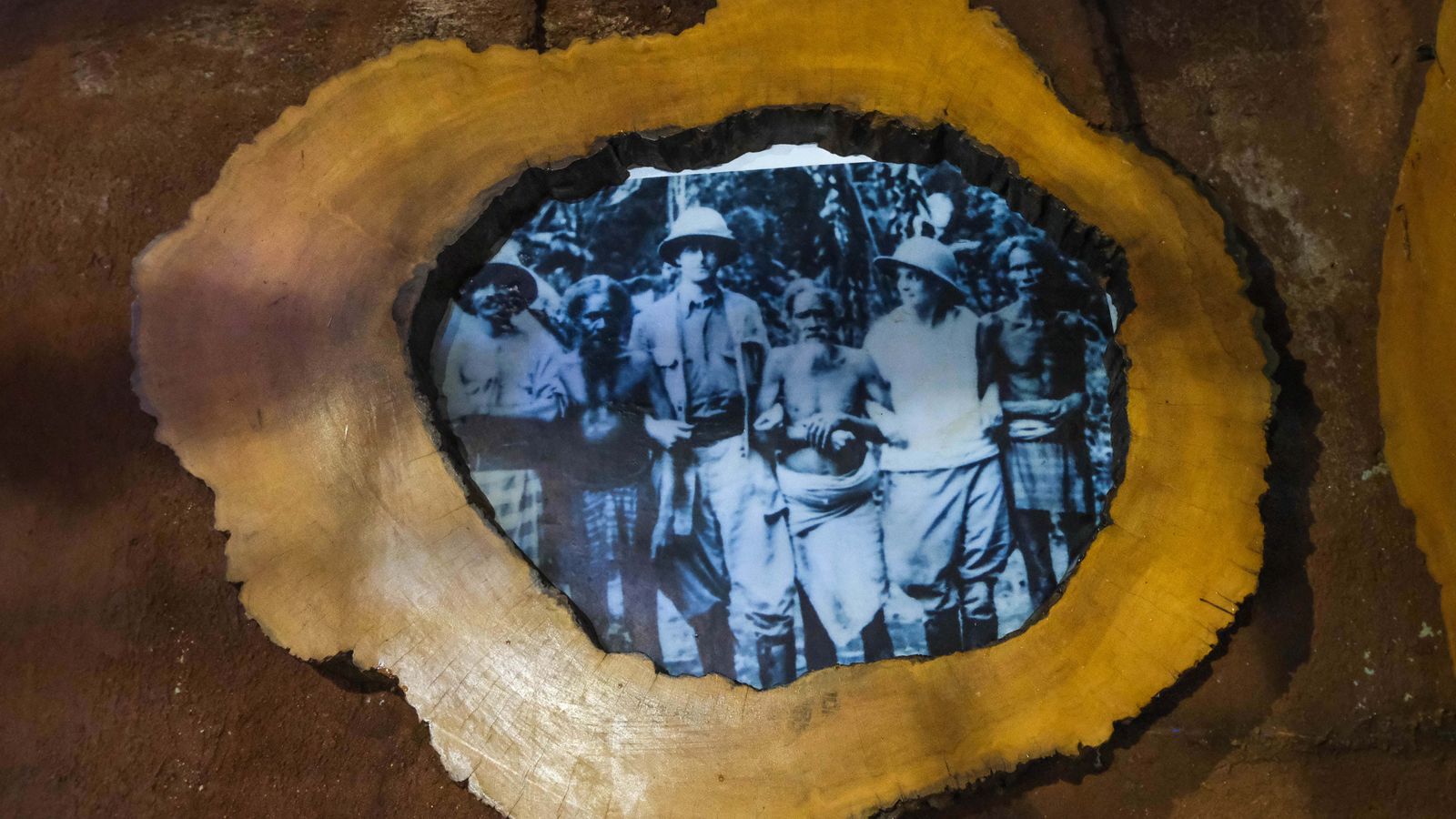
Credit: Zinara Rathnayake >>
The Veddas were traditionally forest dwellers, who foraged, hunted and lived in close-knit groups in caves in the dense jungles of Sri Lanka. But most people haven’t heard of them. […]
While the seven families who lived in the Rathugala cave [in eastern Sri Lanka] held onto their traditions for a little longer, living in the jungle and hunting and foraging for food, they gradually mingled with Sinhalese farmers and Muslim traders from nearby towns. When food was scarce in the jungle, Gunabandilaatho’s parents cultivated grains like corn, finger millet, mung beans and black-eyed peas. ‘We slowly started losing our way of life,” he said. But now, things are slowly changing, with the Vedda community reclaiming their heritage along with renewed interest in these first people of Sri Lanka.’ […]
Although briefly halted by the pandemic, Kiribandilaaththo conducts indigenous classes for 22 Vedda children every weekend at the centre, teaching them about their way of life and their language and traditions.
We were here before King Wijaya [the first Aryan king] came. We are the oldest living inhabitants in the country – and I want everyone to know that we exist here. I want everyone to know that we have our language, and we want to take it forward. […]
Source: Gunabandilaaththo (Danigala Maha Bandaralage lineage of Vedda) quoted by Zinara Rathnayake in “Sri Lanka’s last indigenous people” (BBC Travel, 28 March 2022)
URL: https://www.bbc.com/travel/article/20220327-sri-lankas-last-indigenous-people
Date Visited: 29 March 2022
“Cultivating and conserving diversity is no luxury in our times: it is a survival imperative.” – Vandana Shiva >>
Up-to-date reports by Indian experts and journalists
Search tips
Combine the name of any particular state, language or region with that of any tribal (Adivasi) community.
Add keywords of special interest (music, poetry, dance just as health, sacred grove and biodiversity); learn about the rights of Scheduled Tribes such as the “Forest Rights Act” (FRA); and the United Nations “Declaration on the Rights of Indigenous Peoples”, “Universal Declaration of Human Rights”, “women’s rights”, or “children’s right to education”.
Ask a question that includes “tribal” or “Adivasi”, for instance: “Adivasi way of life better?” (or “tribal way of life worse?”)
Specify any particular issue or news item (biodiversity, bonded labour and human trafficking, climate change, ecology, economic development, ethnobotany, ethnomedicine, global warming, hunter-gatherers in a particular region or state, prevention of rural poverty, water access).
For official figures include “scheduled tribe ST” along with a union state or region: e.g. “Chhattisgarh ST community”, “Himalayan tribe”, “Scheduled tribe Tamil Nadu census”, “ST Kerala census”, “Particularly Vulnerable Tribal Group Jharkhand”, “PVTG Rajasthan”, “Adivasi ST Kerala”, “Adibasi ST West Bengal” etc.
SafeSearch browser tips
If your (mobile) browser fails to display “embedded” media contents, Google maps and SafeSearch windows
Try another browser like Firefox, Chrome or Safari available on your device
Ensure your favourite browser is up to date
Close your present browser
Check your browser and mobile (gsm) settings:
e.g. permission for video or JavaScript
(seen under Preferences >Security >Enable JavaSript)
Restart your computer (smartphone, tablet)
Reconnect to your wifi network or connect to a different one
On some iPhone models the following helps:
>Settings >Safari >scroll down to:
SETTING FOR WEBSITES
Enable “Request Desktop Website” (All Websites) temporarily
Return to the map-post in Safari and “Reload”
Return to >Settings and disable “Request Desktop Website” again
Return to the post in Safari and “Reload”which should now display “embedded” contents as intended (with the convenience of browsing the mobile version on a small screen)
Note: similar solutions may also work with other mobile operating systems.
List of websites covered by this Google custom search engine
Academia.edu (platform for academics to share research papers) – www.academia.edu
Archive.org – https://archive.org
Centre for Science and Environment – https://www.cseindia.org
Current Conservation – https://www.currentconservation.org
Development and Cooperation (D+C) https://www.dandc.eu
Down To Earth (India) – www.downtoearth.org.in
India Environment Portal – www.indiaenvironmentportal.org.in
Harnessing Nature Magazine – https://harnessingnature.online
Mongabay-India – https://india.mongabay.com
M S Swaminathan Research Foundation – www.mssrf.org
Navdanya (protecting India’s biodiversity based food heritage) – https://navdanya.org
People’s Archive of Rural India – https://ruralindiaonline.org/
Third World Network (Penang, Malaysia) – https://twn.my
The Shola Trust (nature conservation in the Nilgiri region) – www.thesholatrust.org
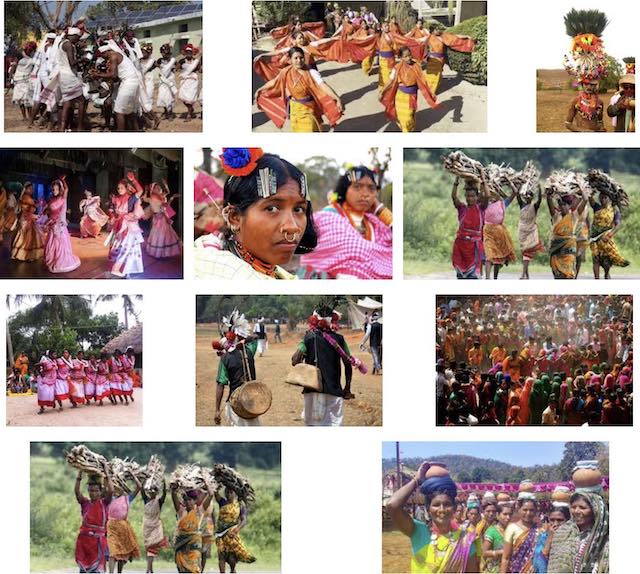
Indian online periodicals and platforms | Images view >>
~ ~ ~
Personalize your CustomSearch by combining other search words >>
(e.g. name of a tribal community and region, a craft, or dance and puppetry)
Research: explore PhD theses from all over India
Shodhganga (Open Access)
Search Worldcat.org for publications by reputed authors (select “Open Content/Open Access” for freely downloadable content)
Search tips
Combine the name of any particular state, language or region with that of any tribal (Adivasi) community.
Ask a question that includes “tribal” or “Adivasi”, for instance: “Adivasi way of life better?” (or “tribal way of life worse?”)
Add keywords of special interest (music, poetry, dance just as health, sacred grove and biodiversity); learn about the rights of Scheduled Tribes such as the “Forest Rights Act” (FRA); and the United Nations “Declaration on the Rights of Indigenous Peoples”, “Universal Declaration of Human Rights”, “women’s rights”, or “children’s right to education”.
Specify any particular issue or news item (biodiversity, bonded labour and human trafficking, climate change, ecology, economic development, ethnobotany, ethnomedicine, global warming, hunter-gatherers in a particular region or state, prevention of rural poverty, water access).
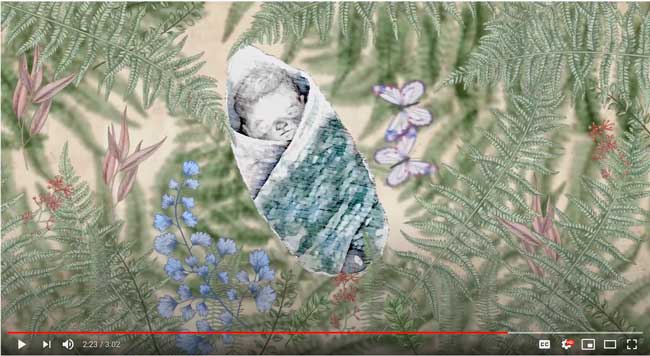
Watch “The Good Ancestor – The Legacies We Leave” (3 min.): An animation that explores the legacies we might leave for future generations >>
Links to some of the most important organisations, thinkers and doers that are leading the way and that have inspired the book The Good Ancestor by Roman Krznaric >>
See also
CBC Unreserved (Canada) radio space for indigenous community, culture, and conversation
eLearning: Center for World Indigenous Studies
Indigenous people are at the forefront of the struggle to save the planet
Internet Archive | Archive.org
People’s Archive of Rural India (PARI) | RuralIndiaOnline.org
Recovering tribal culture from the misrepresentation of mainstream media
Storytelling | Success stories