The Gudalur valley in the Nilgiris is home to four distinct indigenous communities – Paniyas, Kattunayakans, Mullukurumbas and Bettakurumbas.
Learn more: https://cultureandconservation.wordpress.com/test/ >>
On 15th December, 2014, members from 31 Tribal Gram Sabhas of the Gudalur and Pandalur Taluks organized a protest to demand their rights in the forest.
Learn more: https://cultureandconservation.wordpress.com/2014/12/ >>
My name is Ramesh. I work in The Shola Trust as a wildlife conservationist. In this blog, I am writing about my conversation with my grandfather, Bomman thatha (grandfather) about the bonding between adivasi people and the forest.
Bomman thatha is from the Bettakurumba tribe. He lives in the village, Kanjikolly, along the edge of Mudmalai and of course has a great knowledge about forest and honey collection, fishing, collecting tubers and medicinal plants.
Learn more: https://cultureandconservation.wordpress.com/2014/10/29/bomman-thatha-and-his-forest/ >>
Tribal boys and girls (who complete school but often have no further opportunities) could be trained as community health workers or nurses and incentivised to stay and work in their own communities. A successful example is the ASHWINI Gudalur Adivasi hospital in the Nilgiris, where the management and most staff (except the doctors) are tribal.
Source: “Taking healthcare to India’s remote tribes” by Soumya Swaminathan, The Hindu, September 2, 2014
URL: https://www.thehindu.com/opinion/op-ed/taking-healthcare-to-indias-remote-tribes/article6370400.ece
Date Visited: 31 August 2020
See also
Adverse inclusion | Casteism | Rural poverty
Anganwadi | Community facilities | Ekalavya
Demographic Status of Scheduled Tribe Population of India (Census figures 2011)
Fact checking | Figures, census and other statistics
Human Rights Commission (posts) | www.nhrc.nic.in (Government of India)
Search tips | Names of tribal communities, regions and states of India
“The world sells humans. What kind of world is this?” – Hindi Movie “Kamla” revisited
“What is the Forest Rights Act about?” – Campaign for Survival and Dignity
“Who are Scheduled Tribes?” – Government of India (National Commission for Scheduled Tribes, NCST)
Reports in the Indian press | List of periodicals included in this search >>
Search tips
Combine the name of any particular state, language or region with that of any tribal (Adivasi) community.
Add keywords of special interest (music, poetry, dance just as health, sacred grove and biodiversity); learn about the rights of Scheduled Tribes such as the “Forest Rights Act” (FRA); and the United Nations “Declaration on the Rights of Indigenous Peoples”, “Universal Declaration of Human Rights”, “women’s rights”, or “children’s right to education”.
Ask a question that includes “tribal” or “Adivasi”, for instance: “Adivasi way of life better?” (or “tribal way of life worse?”)
Specify any particular issue or news item (biodiversity, bonded labour and human trafficking, climate change, ecology, economic development, ethnobotany, ethnomedicine, global warming, hunter-gatherers in a particular region or state, prevention of rural poverty, water access).
For official figures include “scheduled tribe ST” along with a union state or region: e.g. “Chhattisgarh ST community”, “Himalayan tribe”, “Scheduled tribe Tamil Nadu census”, “ST Kerala census”, “Particularly Vulnerable Tribal Group Jharkhand”, “PVTG Rajasthan”, “Adivasi ST Kerala”, “Adibasi ST West Bengal” etc.
SafeSearch browser tips
If your (mobile) browser fails to display “embedded” media contents, Google maps and SafeSearch windows
Try another browser like Firefox, Chrome or Safari available on your device
Ensure your favourite browser is up to date
Close your present browser
Check your browser and mobile (gsm) settings:
e.g. permission for video or JavaScript
(seen under Preferences >Security >Enable JavaSript)
Restart your computer (smartphone, tablet)
Reconnect to your wifi network or connect to a different one
On some iPhone models the following helps:
>Settings >Safari >scroll down to:
SETTING FOR WEBSITES
Enable “Request Desktop Website” (All Websites) temporarily
Return to the map-post in Safari and “Reload”
Return to >Settings and disable “Request Desktop Website” again
Return to the post in Safari and “Reload”which should now display “embedded” contents as intended (with the convenience of browsing the mobile version on a small screen)
Note: similar solutions may also work with other mobile operating systems.
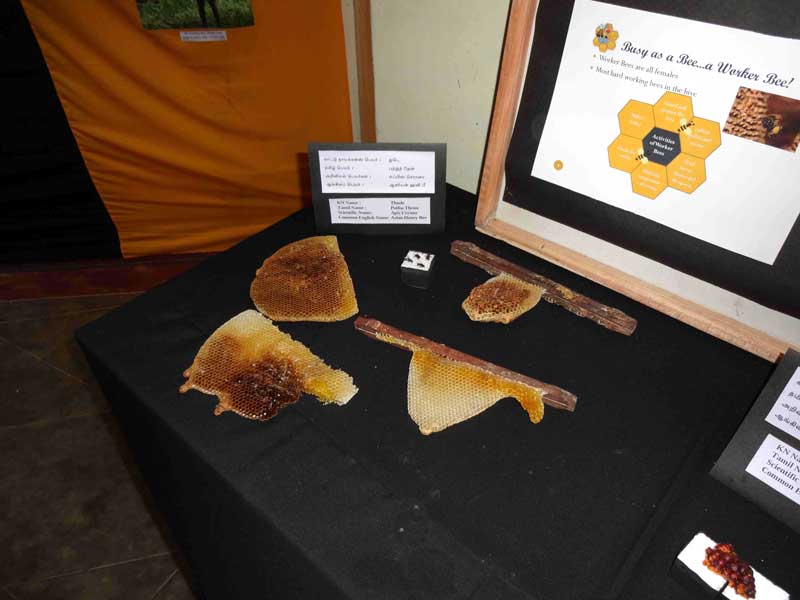
The Scheduled Tribes and Other Traditional Forest Dwellers (Forest Rights Act) gives members of tribal communities the right “to collect, use, and dispose of minor forest produce including bamboo, brush wood, stumps, cane, tussar, cocoons, honey, wax, lac, tendu or kendu leaves, medicinal plants and herbs, roots, tubers.” – Azim Premji University Team