“Nehru was fascinated by the spontaneity of tribal culture and their capacity of joy and heroism in spite of their appalling poverty, destitution, and ignorance. […] In Nehru’s view, the process of modernization must not be taken as forcing a sudden break with the tribals past but help them build upon it and grow by a natural process of evolution.” – Dr. Chittaranjan Mishra in “Tribal Philosophy and Pandit Nehru” (Odisha Review, November 2017) | Learn more >>
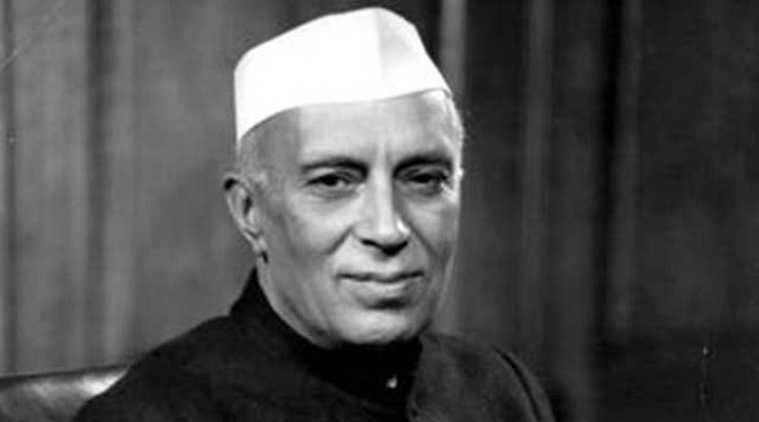
Photo © Indian Express
The current predicament of Adivasis
The current predicament of a vast majority of Adivasis is one of sharp erosion in their livelihoods and their life-worlds. Despite assurances of autonomy (the Fifth and Sixth Schedules, the Panchsheel, PESA 1996, Forests Rights Act 2006) and attempts of focused addressal of Adivasi and Tribal issues (including the establishment of an umbrella outfit, the National Council for Tribal Welfare), there are counter structures and programmes that defy the enabling of genuinely decentralised autonomy and the guarantee of democratic participation. For instance, the recently approved ‘Integrated Action Plan’ in Tribal areas overrides the representation of Adivasis in local issues in decision-making processes and arrogates powers of governance to bureaucrats and specialists.
In addition to such contradictory and conflicting measures, the forces of fast-expanding capital, along with the top-down deployment of development models have resulted in large scale displacement in Adivasi regions. Global capital’s access to mineral wealth has also intensified violence of various forms and degrees.
Source: Ch. 2, “Context and Conditions of Adivasi Life Worlds” (p. 5) in THE EDUCATION QUESTION’ FROM THE PERSPECTIVE OF ADIVASIS: CONDITIONS, POLICIES AND STRUCTURES by National Institute of Advanced Studies (Bangalore), March 2012 & UNICEF | Backup (PDF, 4 MB)
“If women are empowered, there is more development in society”
– Droupadi Murmu | More speeches by the President of India >>
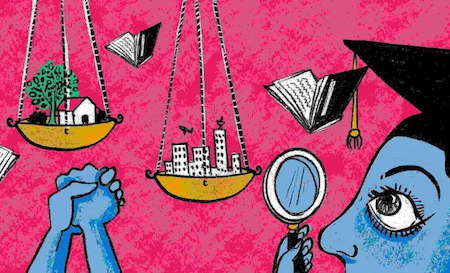
Up-to-date information: Adivasi women’s health >>
See also
Central region – Central Zonal Council
eBooks, eJournals & reports | eLearning
Languages and linguistic heritage
List of scheduled tribes by the Commissioner of Tribal Development – Madhya Pradesh
Tips for using interactive maps
Toggle to normal view (from reader view) should the interactive map not be displayed by your tablet, smartphone or pc browser
For details and hyperlinks click on the rectangular button (left on the map’s header)
Scroll and click on one of the markers for information of special interest
Explore India’s tribal cultural heritage with the help of another interactive map >>