Tribal communities are entitled to being involved in a dialogue on eye-level rather than being told how to manage their affairs: Adivasis have a proud History of their own. Wherever their traditional way of life remains feasible, they avoid dependance on charity.
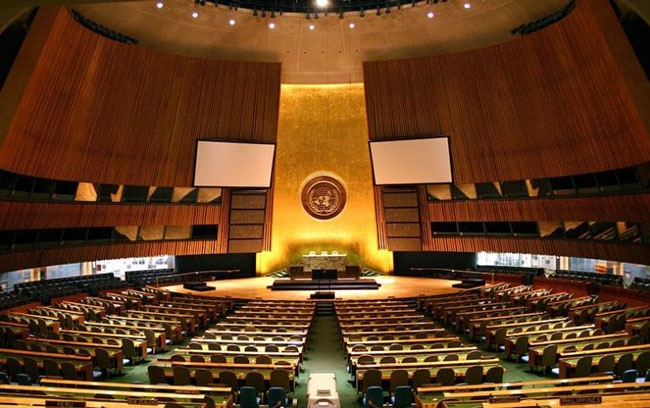
India’s representative at the 2007 United Nations General Assembly affirmed his government’s commitment promotion and protection of indigenous peoples’ rights:
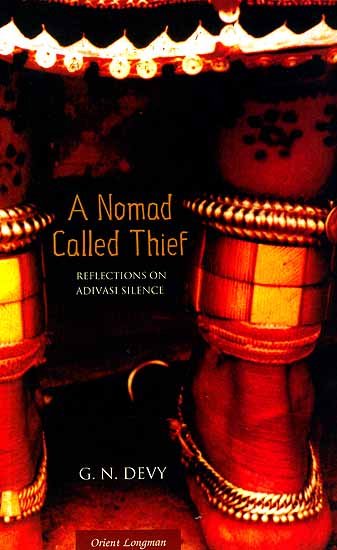
AJAI MALHOTRA (India) said his country had consistently favoured the promotion and protection of indigenous peoples’ rights [and affirmed] their right to autonomy or self-government in matters relating to their internal and local affairs, as well as means and ways for financing their autonomous functions.
Addressing Misconceptions is bound to accelerate the implementation of policies designed to alleviate Rural poverty. For this to happen, the aspirations of tribal youths must be taken into account in all domains of public life.
Accountability is a key issue for any organization fostering India’s tribal Cultural heritage: ensuring that it will flourish in the world’s largest Democracy. As a case in point, Union Minister of State for Environment and Forests Jairam Ramesh called for a change in the mental attitude towards adivasis and forest-dwellers at a function in Gadchiroli district (Maharashtra) in 2011:
About 25 crore [250 million] people live off the forests, we cannot keep them out. […] The adivasi is not the enemy of the forests.
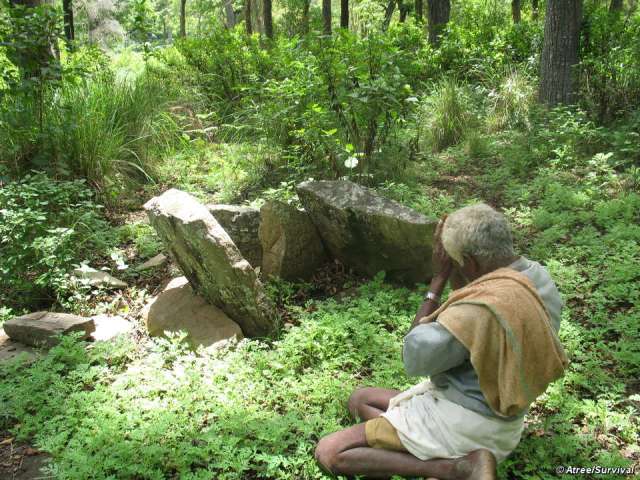
Learn more about the Soliga community in Karnataka >>
“We have a special responsibility to document, monitor and conserve our most precious asset” – Kamaljit S. Bawa in “Our biodiversity, our life, our future” >>
Facts and figures: India’s biological, cultural and geographic diversity
Spread over 3,287,240 km2 and despite a total human population of over 1,210,000,000, India represents a wide spectrum of biological, cultural and geographic diversity. It has been identified as one of the top 12 global biodiversity hotspots and has 91 eco-cultural zones inhabited by 4,635 ethnic communities. India also has amongst the largest indigenous/tribal population, constituting 8.08% of the country’s population, representing 461 tribes. The term ‘Indigenous Peoples’ is not officially recognized in the country, instead the Constitution of India uses the term ‘Scheduled Tribes’. The total forest cover is estimated to be approximately 20% of the total area of the country. About 1,70,379 villages with a population of 10,674,334 inhabit areas in close proximity of forests.
Source: RECOGNITION AND SUPPORT OF ICCAs IN INDIA by Neema Pathak Broome and Tushar Dash, p. 4 | PDF-Repository
URL: https://kalpavriksh.org/wp-content/uploads/2021/01/IndiaICCARecognition_Final_SEPT2012-as-published.pdf
Date Visited: 10 March 2025
- Continue the guided tour – Part 3 >>
- Start the guided tour (Part 1)