Practices admired by scientists worldwide, so “Leave the conservation to us”: The Food and Agriculture Organisation (FAO) observes World Bee Day on May 20 – Karnataka
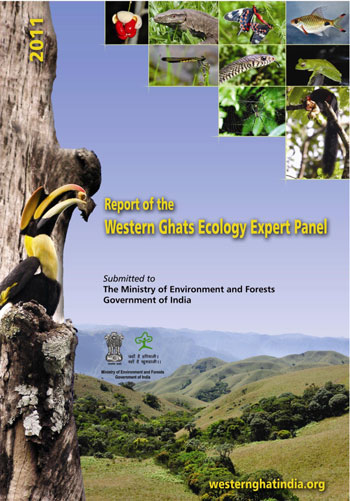
As fragmentation of forests, commercial plantations and uncertain weather conditions threaten the Nilgiri Biosphere Reserve on the Western Ghats highlands in southern India, a community of indigenous honey harvesters say they know how best to conserve its biodiversity.
By Priyanka Shankar | Read the full article here >>
“Leave the conservation to us,” said Shesha, a youngster hailing from Sajjehalli Hadi, a hamlet of Jenu Kuruba people nestled in the foothills of the Western Ghats in the district of Kodagu (erstwhile Coorg) in Karnataka. At Sajjehalli Hadi, people used to live in small huts covered with leaves, amidst bamboo bushes. Now, they have thatched or tin-roofed huts, which have electricity and are also furnished. “Our great-grandfathers grew up here and we know the forest very well.” Shesha belongs to an adivasi group known for conserving bees that are essential not only for their livelihood but also the growth of forests and farms. […]
The Food and Agriculture Organisation (FAO) observes World Bee Day on May 20, in a bid to “raise awareness on the essential role bees and other pollinators play in keeping people and the planet healthy, and on the many challenges they face today.”
The FAO has voiced its concerns on how bees and other pollinators are declining in abundance, affecting food security. The Jenu Kuruba people’s respect for the bees is admired by scientists worldwide.
Over the past century, tea and coffee plantations spread along the Western Ghats has led to the degradation of the Nilgiri Shola forestsand grasslands. Bees die when there is too much “parasites and pests, pathogens, poor nutrition, and sublethal exposure to pesticides,” scientists explain. A 2020 study of the Nilgiri Biosphere Reserve showed that the pollinator species count at each farm declined as its distance from the forest edge increased.
“Tribal communities are a standing example of how women play a major role in preservation of eco historic cultural heritage in India.” – Mari Marcel Thekaekara (writer and Co-Founder of ACCORD-Nilgiris) | Learn more >>
“We can do things differently to reinvent growth without pollution. But only if we have the courage to think differently.” – Sunita Narain in Down To Earth >>
Up-to-date reports by Indian experts and journalists
Search tips
Combine the name of any particular state, language or region with that of any tribal (Adivasi) community.
Add keywords of special interest (music, poetry, dance just as health, sacred grove and biodiversity); learn about the rights of Scheduled Tribes such as the “Forest Rights Act” (FRA); and the United Nations “Declaration on the Rights of Indigenous Peoples”, “Universal Declaration of Human Rights”, “women’s rights”, or “children’s right to education”.
Ask a question that includes “tribal” or “Adivasi”, for instance: “Adivasi way of life better?” (or “tribal way of life worse?”)
Specify any particular issue or news item (biodiversity, bonded labour and human trafficking, climate change, ecology, economic development, ethnobotany, ethnomedicine, global warming, hunter-gatherers in a particular region or state, prevention of rural poverty, water access).
For official figures include “scheduled tribe ST” along with a union state or region: e.g. “Chhattisgarh ST community”, “Himalayan tribe”, “Scheduled tribe Tamil Nadu census”, “ST Kerala census”, “Particularly Vulnerable Tribal Group Jharkhand”, “PVTG Rajasthan”, “Adivasi ST Kerala”, “Adibasi ST West Bengal” etc.
SafeSearch browser tips
If your (mobile) browser fails to display “embedded” media contents, Google maps and SafeSearch windows
Try another browser like Firefox, Chrome or Safari available on your device
Ensure your favourite browser is up to date
Close your present browser
Check your browser and mobile (gsm) settings: e.g. permission for video or JavaScript (seen under Preferences >Security >Enable JavaSript)
Restart your computer (smartphone, tablet)
Reconnect to your wifi network or connect to a different one
On some iPhone models the following helps:
>Settings >Safari >scroll down to: SETTING FOR WEBSITES
Return to >Settings and disable “Request Desktop Website” again
Return to the post in Safari and “Reload”which should now display “embedded” contents as intended (with the convenience of browsing the mobile version on a small screen)
Note: similar solutions may also work with other mobile operating systems.
List of websites covered by this Google custom search engine
Academia.edu (platform for academics to share research papers) – www.academia.edu