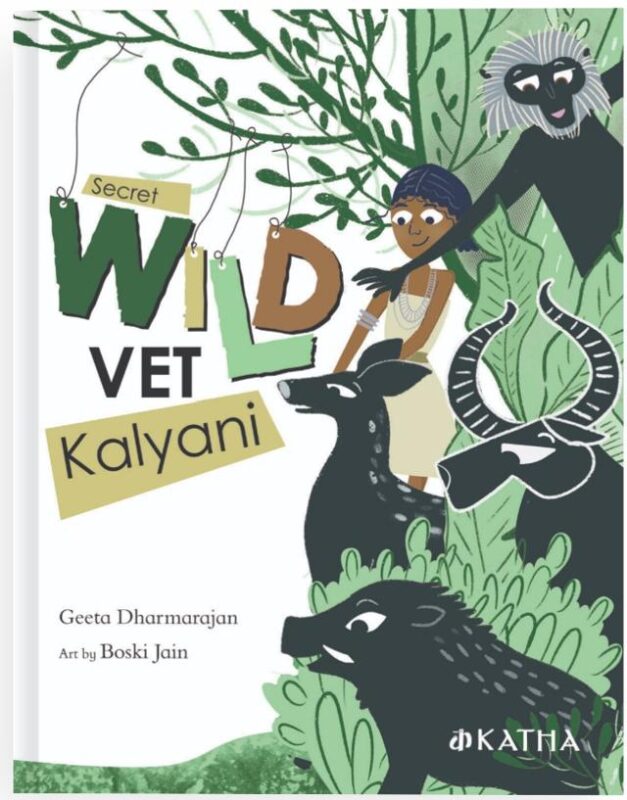
‘Keepers of Darkness’, ‘Secret Wild Vet Kalyani’ and ‘Finding Tree’ all feature the indigenous community whose members are probably the last skilled forest scientists of the world
Children’s publisher Katha recently released three new books on Irulas, a Dravidian ethnic community from Tamil Nadu and parts of Andhra Pradesh, Kerala and Karnataka. […]
“Our dream is to ensure that every child in India is equipped with access to quality education, and we believe stories can make this happen. In a world where literacy is a prerequisite for understanding literature, we foreground literature and storytelling to improve literacy and provide quality education.” – Learn more: https://books.katha.org/what-we-do >>
“We are so much more than that. We follow a tradition rich in music, dance and love.” – Author Swarnalatha whose NGO works for the upliftment of her Irula community | SafeSearch (Irular) >>
We need indigenous communities for a better world: United Nations
There are an estimated 476 million Indigenous Peoples in the world living across 90 countries. They make up less than 6 per cent of the world’s population, but account for at least 15 per cent of the poorest. They speak an overwhelming majority of the world’s estimated 7,000 languages and represent 5,000 different cultures.
Indigenous Peoples are inheritors and practitioners of unique cultures and ways of relating to people and the environment. They have retained social, cultural, economic and political characteristics that are distinct from those of the dominant societies in which they live. Despite their cultural differences, Indigenous Peoples from around the world share common problems related to the protection of their rights as distinct peoples.
Indigenous Peoples have sought recognition of their identities, their way of life and their right to traditional lands, territories and natural resources for years. Yet, throughout history, their rights have been violated. Indigenous Peoples today, are arguably among the most disadvantaged and vulnerable groups of people in the world. The international community now recognizes that special measures are required to protect their rights and maintain their distinct cultures and way of life.
In order to raise awareness of the needs of these population groups, every 9 August commemorates the International Day of the World’s Indigenous Peoples, chosen in recognition of the first meeting of the UN Working Group on Indigenous Populations held in Geneva in 1982.
Did you know?
Indigenous Peoples’ food systems have high levels of self-sufficiency, ranging from 50% to 80% in food and resource generation.
Indigenous Peoples make up less than 6% of the global population, but they represent at least 15% of the extremely poor.
Indigenous Peoples’ territories encompass 28% of the surface of the globe and contain 11% of the world’s forests. They are guardians of most of the world’s remaining biodiversity.