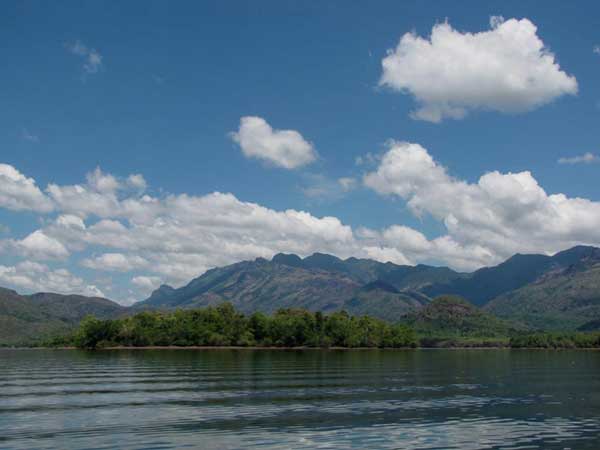
Photo courtesy Davidson Sargunam >>
Facts and figures: India’s biological, cultural and geographic diversity
Spread over 3,287,240 km2 and despite a total human population of over 1,210,000,000, India represents a wide spectrum of biological, cultural and geographic diversity. It has been identified as one of the top 12 global biodiversity hotspots and has 91 eco-cultural zones inhabited by 4,635 ethnic communities. India also has amongst the largest indigenous/tribal population, constituting 8.08% of the country’s population, representing 461 tribes. The term ‘Indigenous Peoples’ is not officially recognized in the country, instead the Constitution of India uses the term ‘Scheduled Tribes’. The total forest cover is estimated to be approximately 20% of the total area of the country. About 1,70,379 villages with a population of 10,674,334 inhabit areas in close proximity of forests.
Source: RECOGNITION AND SUPPORT OF ICCAs IN INDIA by Neema Pathak Broome and Tushar Dash, p. 4 | PDF-Repository
URL: https://kalpavriksh.org/wp-content/uploads/2021/01/IndiaICCARecognition_Final_SEPT2012-as-published.pdf
Date Visited: 10 March 2025
When children in cities were whiling the lockdown period away in electronic gadgets and on social media, close to 50 children in tribal settlements in Anamalai taluk had spent it in a useful manner – reading books.
Thanks to the Centre for Justice and Peace, an NGO, that distributed more than 200 books to the children a couple of days before the Lockdown1.0 came into effect.
Samyuktha, 11, of Kakkakothiparai, a tribal settlement, was happy that she received a comic book before the lockdown. Since then, she had spent her time in delving into the book every night before going to bed. Once she completed the book, she exchanged it with her friend who was reading a different book in her settlement.
“Once a child completes a book, he/she would exchange it with her friends and it goes on till all the books are read. Then, we would exchange the bunch of books with the neighbouring settlements,” said C Velumani, a volunteer assisting the children in reading the books. […]
“During the classes, books on different subjects like non-fiction, science, general knowledge, biographies, tribals and their culture were distributed to them,” founder of the centre S Thangaraj said.
A volunteer from Mudaliarpathi settlement, D Savithri said she has witnessed a huge change in the mindset of the children after they were introduced to the world of books.
“Earlier, teachers would often visit our village to enroll students who had dropped out. But now, even the children who had refused to go to schools had started going to the schools regularly. Many of them had even shown willingness even to travel to study further,” she said.
Source: “Books best companions of kids in tribal settlements” (Times of India, 9 June 2020)
URL: https://timesofindia.indiatimes.com/city/coimbatore/books-best-companions-of-kids-in-tribal-settlements/articleshow/76271755.cms
Date visited: 14 April 2021
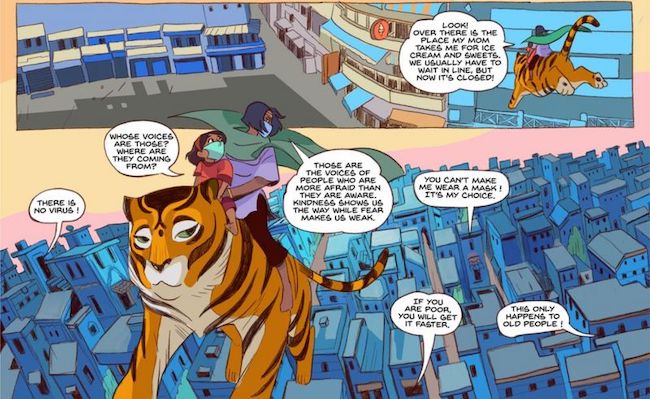
Learn more about “Priya’s Mask” and related titles on priyashakti.com >>
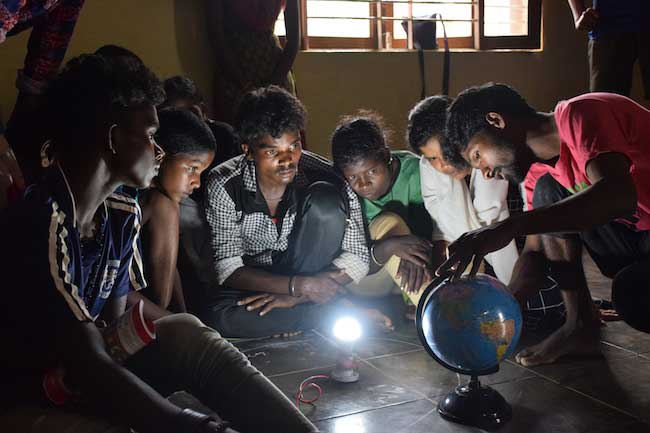
collaborative YouTube channel: Kaathadi >>
Success stories from Vidyodaya in Gudalur >>
More resources for the classroom >>